

Last night, I was watching a sat. channel and the World Fishing Network. A show called The New Fly Fisher was on. I didn’t expect much, but Brian Chan was the guest flyfisher at Roche L. in B.C. I have seen Chan at expo shows, written to him and talked to him once over the phone. Watching the show last night reinforced what I have always thought. Chan is a very nice guy. Of course, he catches frigging amazing diploids and triploids, but he is just so seemingly humble and a well spoken teacher. Chan and the host were fishing this past Fall, I believe, and the fishing wasn’t fast but it was still productive using a green leech with a beadhead. Later, during a ‘how to tie’ segment, the host demonstrated how to tie the Leech they were fishing. It was not a typical Woolly Bugger. It was similar to what I have tied in the past. Dazzle or a Sparkle or Ice Dub dubbing (something long fibered, synthetic and bright) and was used and applied by a dubbing loop, which was then wrapped around the shank from the bend to the front bead/eye. I am not adept yet at showing a sequence of tying steps but the pattern was so simple I can explain: A typical streamer or Bugger hook was used, thread attached, and red wire attached and a dubbing loop was constructed at the bend from the wire. The dubbing was slightly pulled apart and strands (1/2″ or so)/clumps of the shiny dubbing were placed between the two pieces of wire, as you would with normal dubbing. Once the loop was filled, the loop was spun and then the ‘noodle’ was wrapped forward up the shank to form the body. The fibers of the dubbing would be brushed back to form a tail as in a streaming comet. I have tied similar flies, but without the wire loop…just using a normal thread dubbing loop. I will have to try this and see how it looks. Definitely good reinforcement and some extra weight uniformly added. Chan had great success, only appearing to use the green leech. Chan is a credit to the B.C. fisheries and reflective of many of the people I have encountered in the Highland, Kamloop, Merrit to Salmon L. area. The show was ok and the fish were willing and how I wish more of our fisheries were in the NW.
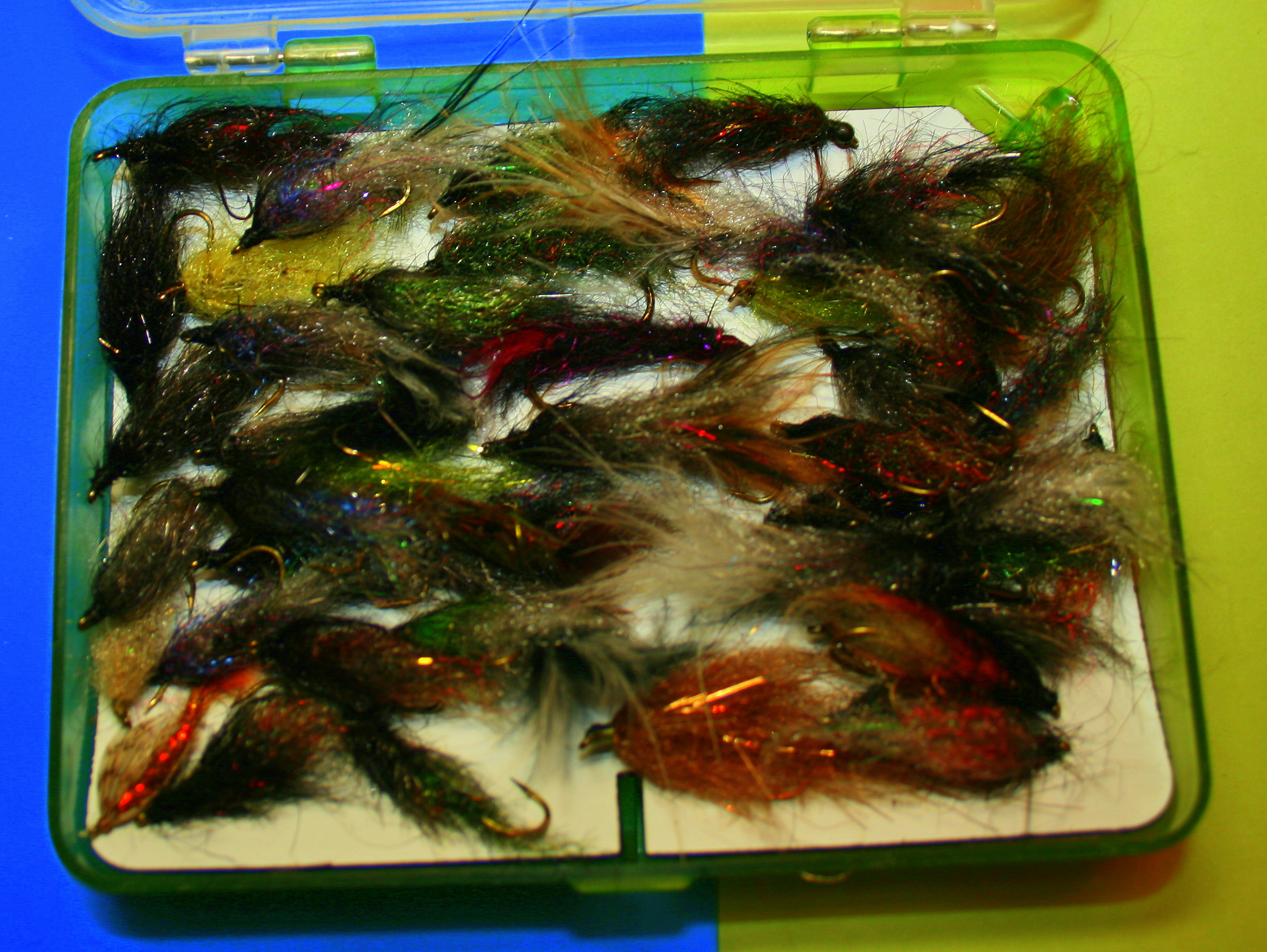
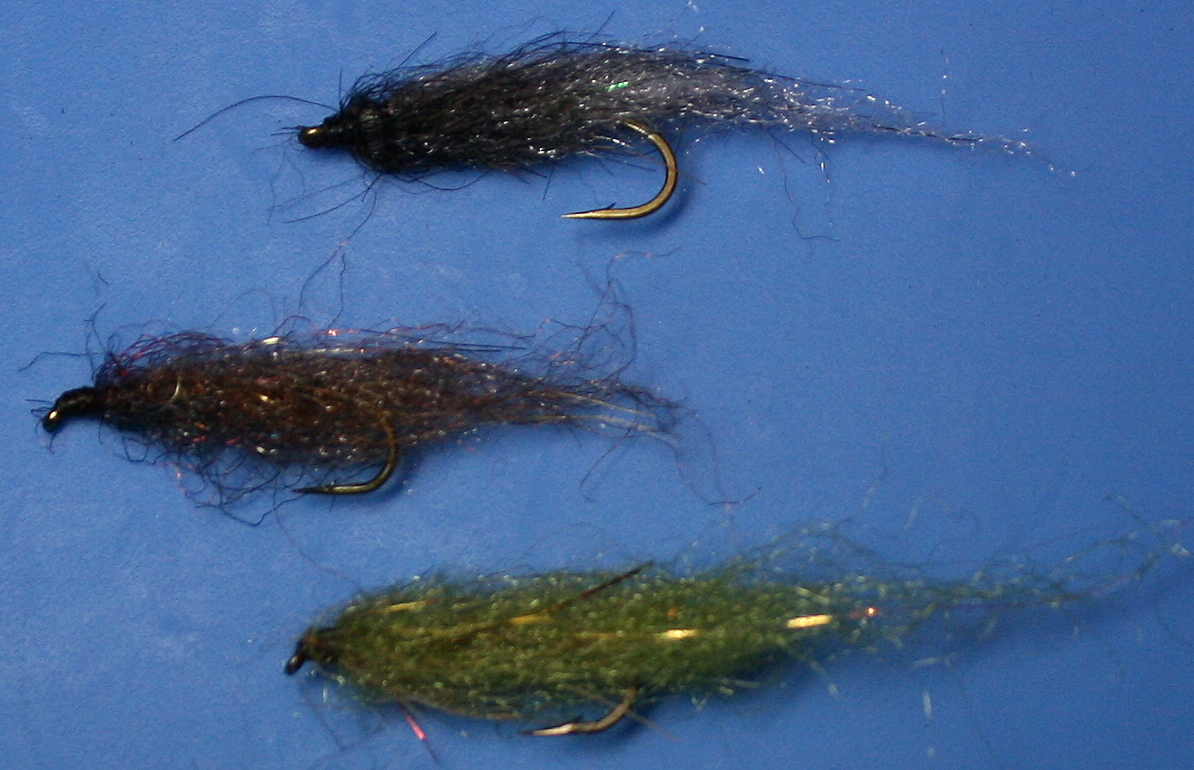
So, the flies (clumped in the box) look good and I have plenty of them. And this raises something I alluded to a few days ago re the archaeological dig in my garage. I have so many darn flies. Do you do this? Tie just to tie. I go on binges, tying that special pattern you read about in a magazine or see online. I tie a dozen this or two dozen that. I finish and go onto the next pattern. The problem is, I do a lot of tying in the Winter when I am not fishing for Trout. Salmon and Steelhead are the focus. So I tie and put away and FORGET. Later, what the hell…look at what I found. What a nice surprise. I am awash in flies. But tying the easier subsurface patterns is enjoyable. I wish I spent as much effort tying dries. How nice to discover dozens of Adams and BWO’s. I wonder if we could call these Leeches: Chan’s Comet? That would be a bit presumptious. Ok..a Brushed Leech pattern.
 SwittersB & Exploring
I was just having a look at some of the articles that Brian has written , and came upon your site. I live in British Columbia, and have fly fished all my life in this beautiful Province. You are quite right. Brian is a very humble and truly nice person. I have gone fishing with him in the interior of B.C with a small group of anglers, and had a blast. I learned so much from spending a weekend with him and Phil Rowley, who is also a very accomplished fly fisherman and master fly tier. Both of these gentlemen have published a fly tying book simply called “stillwater solutions Recipes. In this wire bound book and they not only describe step by step instructions, but also enlighten you, with major information in regards to the insects life cycle, and how to imitate the retrieve.
Brian Chan is also a biologist, and his responsibility is managing the lakes in the Kamloops area of the southern interior of British Columbia. I will attest, the fishing is better in this area, than it was thirty years ago.
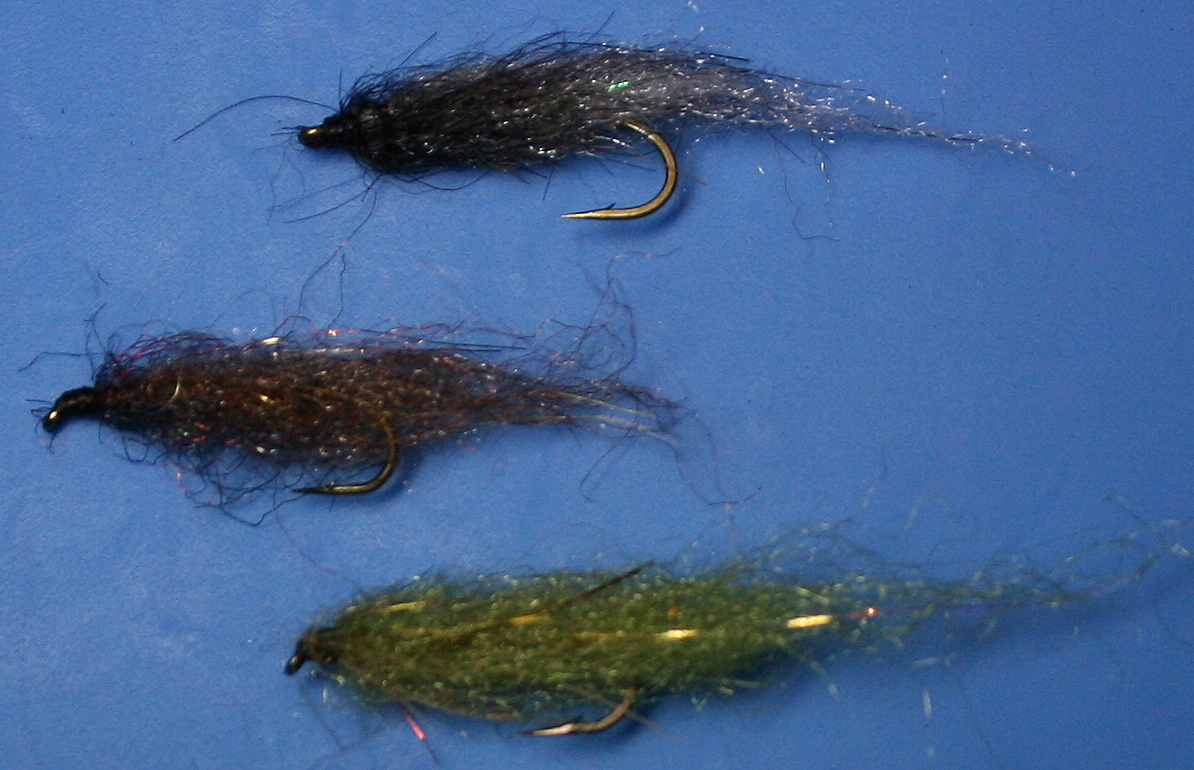
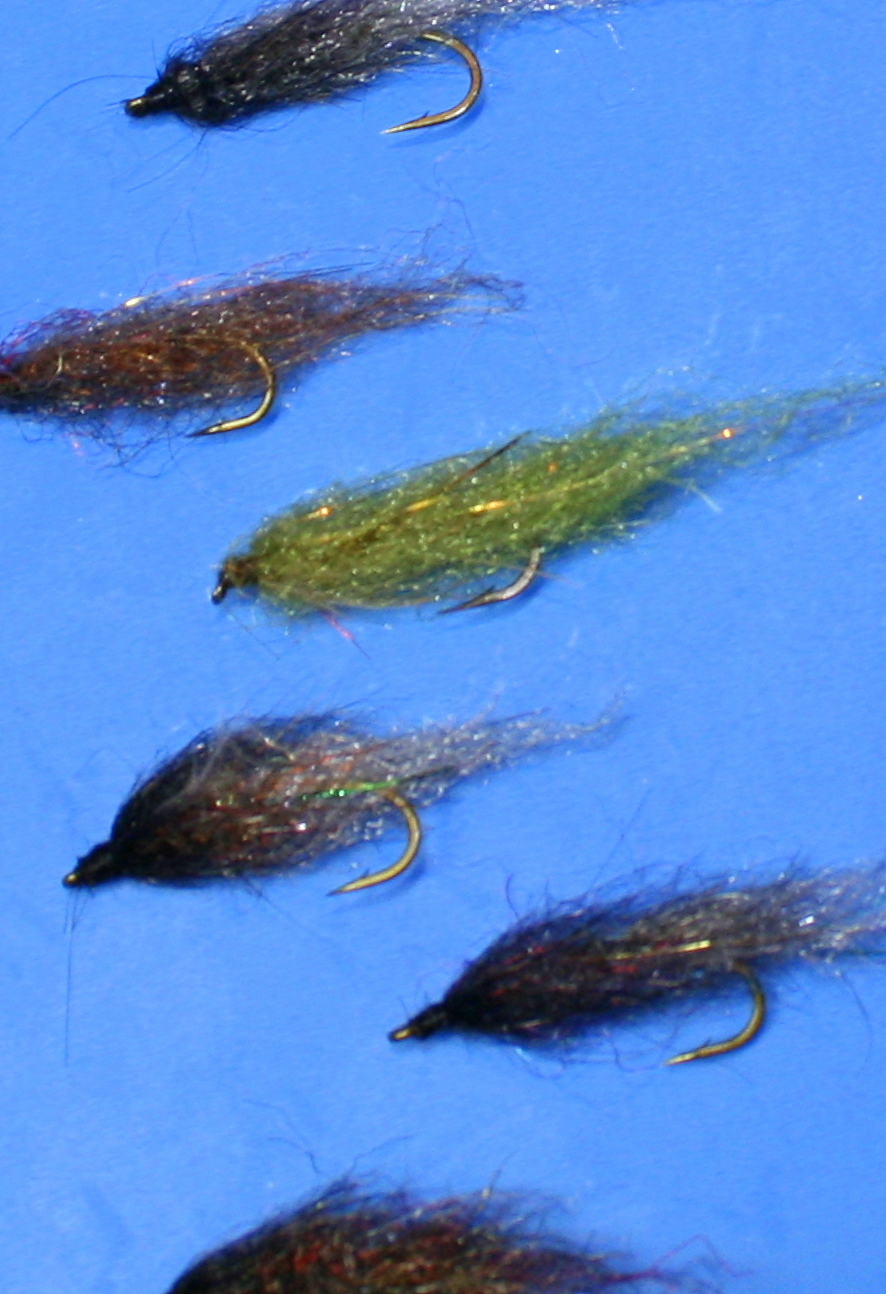
That brushed leech pattern is truly deadly. It works in the early season, just after ice out, last light, and just before ice over. It is a wonderful search pattern as well.
It is nice to talk to a fellow fly fisher and tier.
All the best in the upcoming season
Rob Coomber
LikeLike
Hello Rob,
Your remarks are very kind, reflective from all my experiences, of the fine people of B.C. Thanks for visiting and shedding light on two great ambassadors of the sport.
Gary
LikeLike