

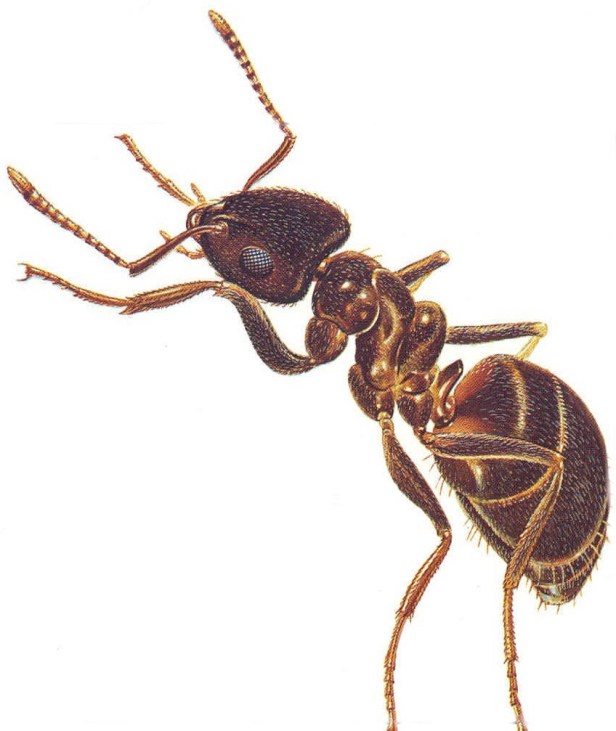
Simple to tie and often forgotten the Ant should be a staple in any fly box. The afternoon winds on mountain lakes are along stream edges provides a ready source of food to the fish. Now, I am not saying I have enough ant patterns in my boxes. But, I do have a dozen or so, mostly black and not too fancy. I have watched fly fishers walk the shores of lakes on windy afternoons and simply work the ant pattern out 20-30 and do well. This would be a perfect effort on a back packing lake, where it seems most often you are trying to cast to the middle of the lake.
FISHING MOUNTAIN LAKES
The secret to understanding Summer fishing in mountain lakes is to remember that the wind blows up hill. What is he talking about I hear you saying to yourself. What on earth has that got to do with fishing? It has everything to do with Mountain Fishing. Terrestrial insects like grass hoppers, beetles and ants make up 80% of the summer diet of trout and grayling in alpine mountainous environments. They are carried up the mountain by the wind and deposited in the high altitude lakes. (the biologists call them ‘upslope blow-ins’) Combine this with with the amount of emergent or adult forms of aquatic insect life taken in the surface film then you find that 90% of their food comes from the top. The mountain lake trout cruise and search for food on the water surface film and this is where you should be fishing.
The upslope winds occur when the high ridges receive the morning sun whilst the valleys are still in shade. The cool air of the valley bottom is sucked up to the ridges as the layers mix in an effort to equalize the air temperature. The greater the temperature disparity the stronger the winds. Bug falls are greater in the afternoon. The lake is a heat sink as it is cooler than the surrounding land and therefore creates a thermal variation and downdraft.
Ants are easily plucked from the surface by the winds even by mild winds. They are often the most numerous insect dropped on the water surface because of their low weight.
http://business.virgin.net/fly.fishing/ant-red.html


http://www.riverbum.com/Ant-Fur-Black/
And, for the more complicated pattern…the Chernobyl Ant
 SwittersB & Exploring