

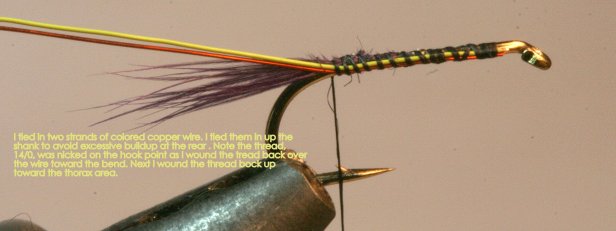
I recently noticed some nymphs with 3 wire wrapped abdomens in a well known mag. I thought I would try my hand at two wires. Not a great start but instructive for the beginner re the pitfalls along the way.
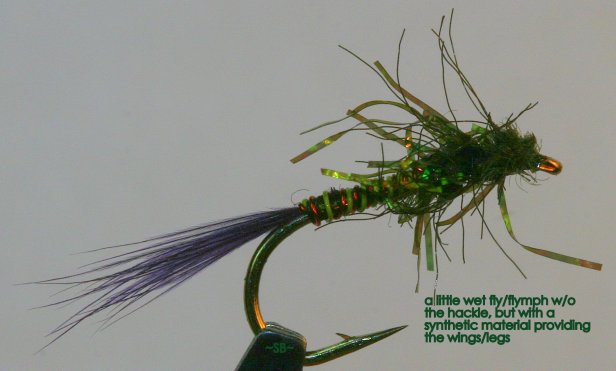


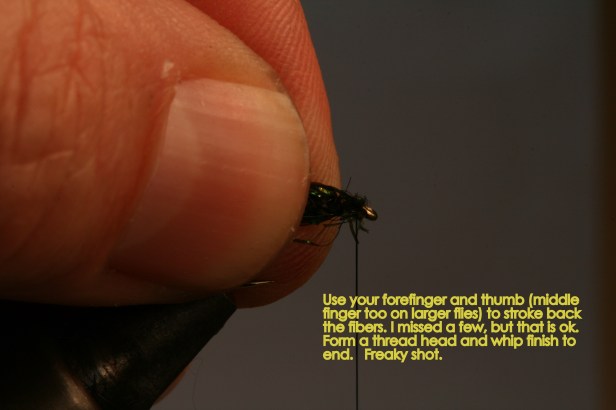
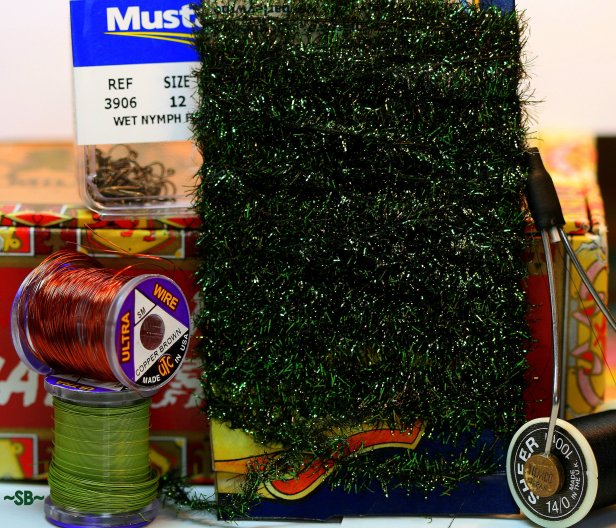
Tying for a blog is easiest for me, if you, the beginning tier, just see the finished fly and have enough knowledge to replicate the sequence. As you progress along, you will be able to read patterns/recipes and tie them or see a pic and copy it the vast majority of the time. So, to follow that a picture is worth a 1000 words…I damn near wrote a book for such a simple little fly today.
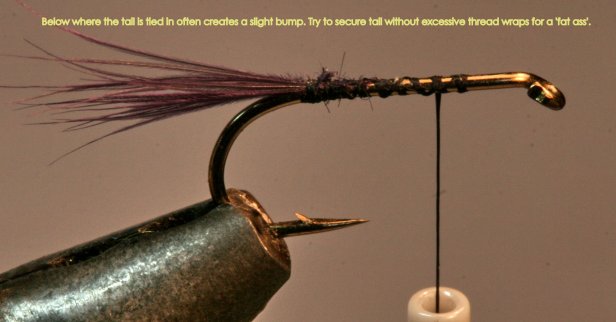
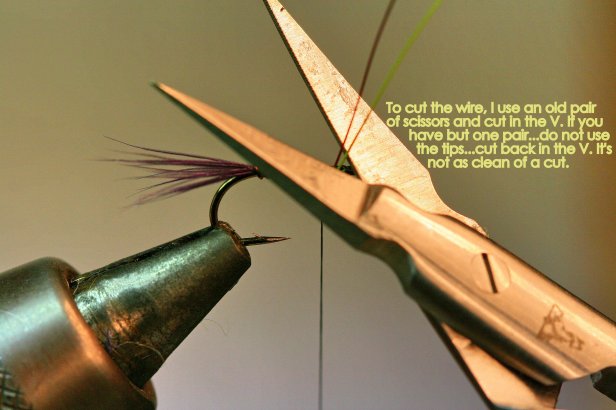
But, it is worth showing my errors or bumps along the way to teach. The tail tie in could have been smaller or tied in farther up shank to avoid that bump that can cause materials (two strands of wire in this case) to slide off forward. The gap in the wire wraps will not affect the fish catching ability of the fly. It is more aesthetics and demonstrating correct handling of the materials…also, the cutting the wire with the V of the scissors or tips on old scissors. A tag end will be left with the V cut. This is why tiers are tempted to use the tips on their good scissors to nip that wire. You quickly ruin your nice scissor tips doing that.”
All in all, a fun exercise to share. I have admiration for the tier that manages 3 strands of wire. I think I man need those magnification goggles soon. I seem to be missing details until the camera’s lens reveals the true results. Fun either way.
Craig Commented Very Good Advice: “if you are using dead soft wire you can start wrapping the way you did and it will go up the shank almost as evenly as dubbing. however stiffer wire will require that you immobilize it where it comes out of the thread wrap, i use smooth jawed jewelry pliers, to get a smooth transition. another method is to lay your thread wrap, then wrap your wires the length you want (not tied in), put a dab of adhesive at the tail and slide the wire coil down the shank and let it dry.”
 SwittersB & Exploring
for larger nymphs i use the craft wire at hobby lobby or joanns.
that wire must be about 22-20 gauge
and it usually comes in a good choice of colors. for smaller flies i use whatever comes to hand. i have a couple spools of wapsi branded wire, some beading wire and even some fine gauge floral wire.
in your second photo the tail tied in without a wrap back to the head will always leave a bump. the wire will alway reveal the shape of the underlying wrapping.
with stiff wire try laying down the thread body shape that you want. without tying in the wires take the tag ends and lay them in perpindicular to the hook shank, then wrap the wires forward. a couple of wraps of thread at either end will usually hold the wire in place.
another way to get a smoother body is to wrap the body with one gauge of wire then wrap a contrasting color of a smaller gauge into the joints of the first wrap.
by the way, scissors won’t cut the wire flush,
try “gate” cutters or any of the flush cutters you can find in jewelry making shops.
that’s about all i know about it. hope it helps.
LikeLike
Yes, the tail tie in point is the bane of most fly patterns for the beginner. If it starts wrong there, it never gets better. I need to find a previous post here, where I showed tying a marabou tail for a WB and how to avoid the bump/fat rear end by tying in farther up the shank then advancing the thread over the material toward the bend. Your advice is excellent. Thank you Craig!!
LikeLike
if you are using dead soft wire you can start wrapping the way you did and it will go up the shank almost as evenly as dubbing.
however stiffer wire will require that you immobilize it where it comes out of the thread wrap, i use smooth jawed jewelry pliers, to get a smooth transition.
another method is to lay your thread wrap, then wrap your wires the length you want (not tied in), put a dab of adhesive at the tail and slide the wire coil down the shank and let it dry.
nice flies!
LikeLike
Craig…do you have a recommendation for a soft wire. The Wapsi seems supple enough…but any suggestions appreciated.
SB
LikeLike