

Would a wisp of a size 24 fly body on a size 18 hook fool a fish? Would a size 16 fly body on a size 14 hook to the trick? I wonder how many of you have experimented with a slight deviation from the norm of tying: match the size fly pattern to the size hook? Does a small fly pattern have to be on a small hook to fool the fish?
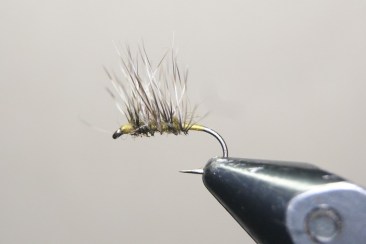
I recall reading years ago in an old Steelheader’s gear book that attracting fish was, in the end, the attractor ‘positives’ outweighing the detractor ‘negatives’ in the fish’s assessment of the morsel. Does the bigger hook detract from that smaller attractive fly pattern you attached to it? Maybe worth an experiment or two. More hookups with smaller fly patterns? This may not be suitable for gin clear waters and scrutinizing fish, but at least worth a try in the more troubled waters where fish have little time to decide.
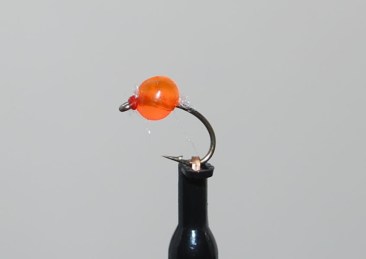

“Goddard’s ‘go-to’ flies for when trout are sipping tiny midges from the surface are his “Goddard Smut” (for the full fledged adult)”. How simple a design but effective. How often we complicate our tying.
 SwittersB & Exploring
I typically tie most of my nymph patterns for carp, buffalo, and other suckers on “oversized” hooks, i.e. I’ll tie a sized 14 caddis nymph pattern on a 3x short hook like a size 10 mustad C67S. The body of the fly is tied in the proportion of a size 14, but the hook gape is that of a size 10, which allows me greater penetration of the hook point in to the fleshy lip of a sucker. I don’t believe the size of the hook makes a difference. I’ve fished side by side a true size 14 pattern alongside a size 14 tied on the short shank size 10 hook. Both flies typically meet the same success on takes, however, I have a higher rate of success in hook ups with the larger hook since the hook point has greater penetration, thus resulting in a higher percentage of landed fish.
LikeLike