

Fly Fishing: The Best Dry Fly Action I had ever had!!!! Usually on a lake, I spend the majority of my time slinging an Intermediate line, or if I use an floating line, I am still presenting subsurface with emergers. Recently, we were on a lake and trout were rising in porpoise like slashes, suggesting feeding right below the surface.
I’d had success with smaller Caddis dries and some Chironomid patterns. But, I decided to try a larger fly pattern and chose an old traditional pattern, The Renegade. Not a realistic pattern but it is often productive on lakes and rivers.
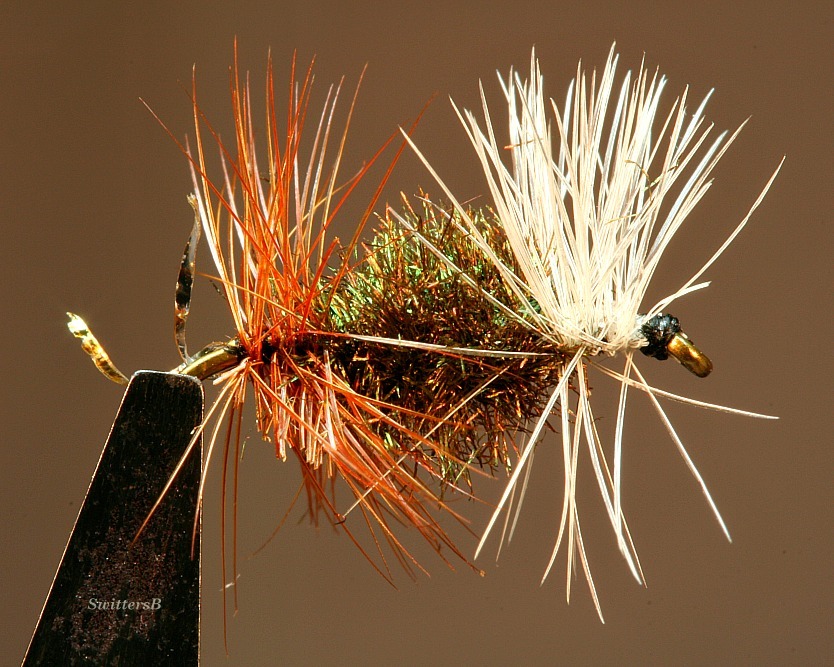
The responses to this fly were phenomenal. Yet, I had the darndest time hooking up. Repeatedly, I missed the set and the fish would come back on the fly and I would still miss the set (hook up). What the heck was I doing wrong? Was my timing that off? I mean this was getting frustrating and that is not suppose to creep into the enjoyment of the outing.
Of course, if your eye is trained you will notice a missing component to the fly: the bend/hook point!!! At some point, the hook point had snapped off and I was fishing with the “fly” and enjoying the hits but not hookup!
I snipped off the fly, saved it for this informative post and fished on with a smaller Caddis pattern.
Now for the second lesson. As you fish with a two piece or four piece rod and cast a lot, you should occasionally check the ferrules, where the rod pieces join together. Because perhaps you will suddenly notice your rod tip is missing, have a fish hit and hook up and notice your rod tip has slid down the fly line/leader up against the trout’s nose. If it is a small trout, no biggy, but a big fish may break your tippet and there will go the rod tip to the depths!!!
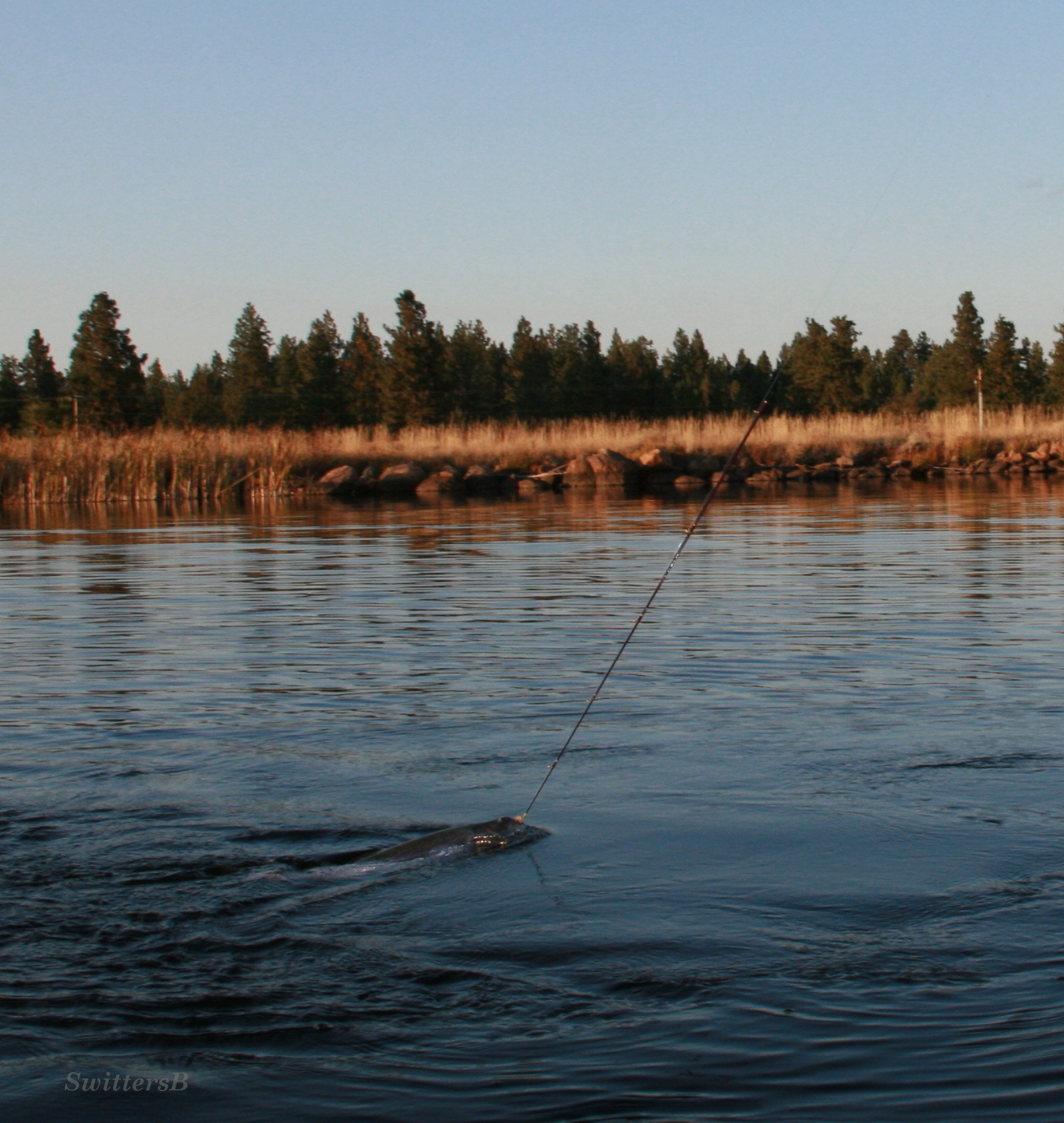

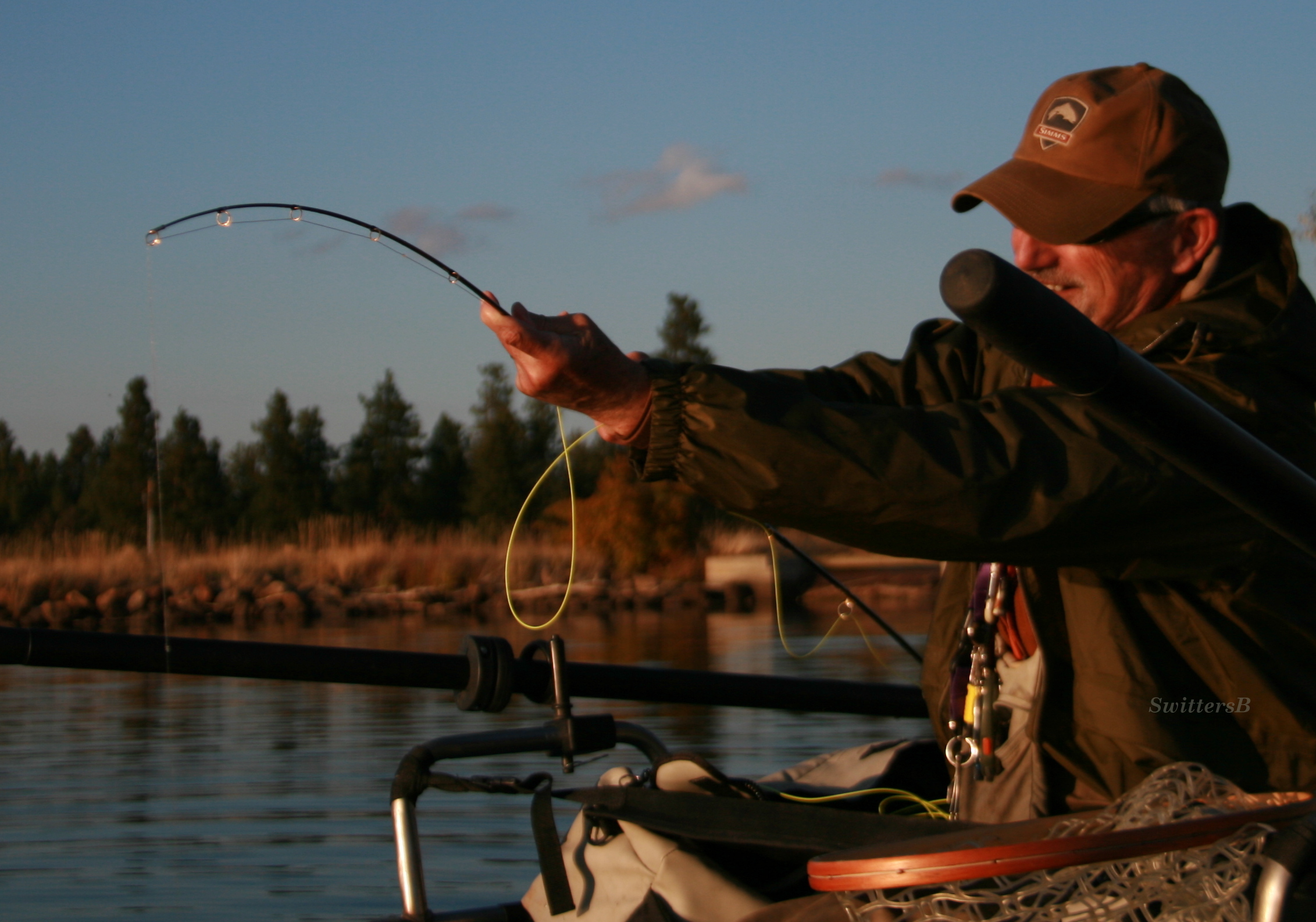

Basics: Make sure your fly has a hook point, if you actually want to hook a fish and periodically check your rod ferrules to be certain each piece is snugly seated. Photos by Bucky.
 SwittersB & Exploring
Had a mini dry fly fishing lesson on the weekend. Need to stock up on dries now. Do you have a go to dry?
LikeLike
Hmmm? Well, that is a multi-layered answer re hatches, time of year, weather, presentation, choice of holding waters,personal biases and superstition. Also, I know culturally many parts of the world have their own traditional well established go to dry fly favorites (UK, Germany, South Africa, Western U.S./Eastern U.S…etc.)
That said, and all the thinking aside: Adams (12-18), Elk Hair Caddis (14-18), Soft Hackle Patterns (12-18) http://donbastianwetflies.com/2013/03/21/soft-hackle-wet-flies/
Thanks so much for dropping by and commenting.
Gary
LikeLike
A lovely post !!! Photography & story , excellent !
The few expo-sees you did on presentation are in my ‘how to’ box. My skills in tying and fishing are more in the beginner stages , and with my limited imagination, your presentation ‘blurbs’ are a balm to my hopes and dreams. Tight lines !
Jake Enns
Date: Sat, 19 Oct 2013 03:44:55 +0000 To: jakeandmartha@hotmail.com
LikeLike
Thanks for dropping by Jake!
LikeLike